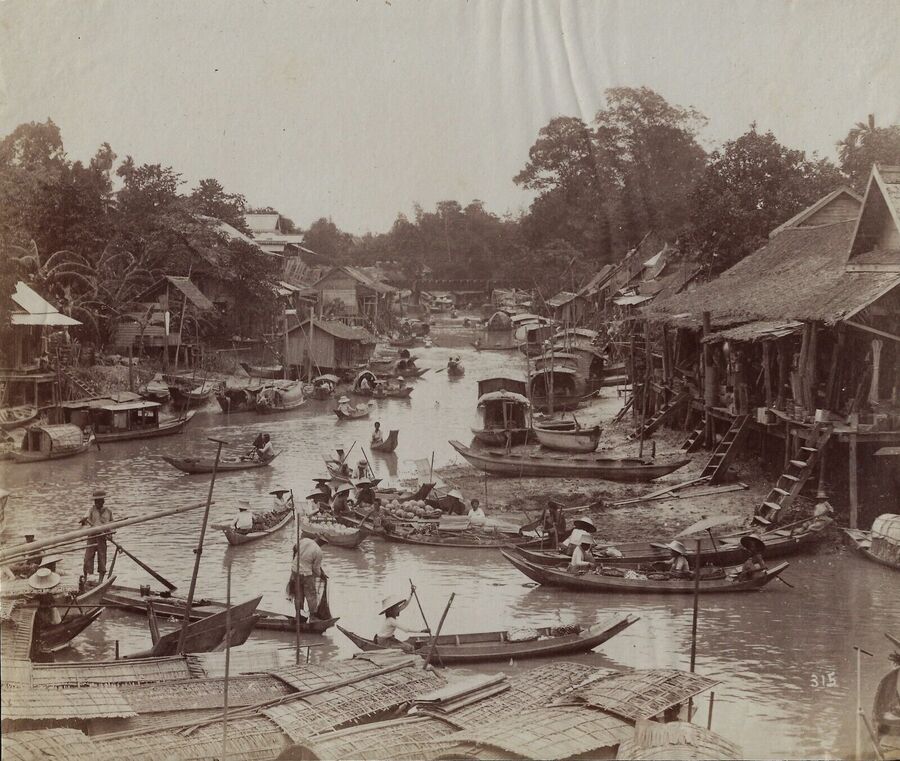
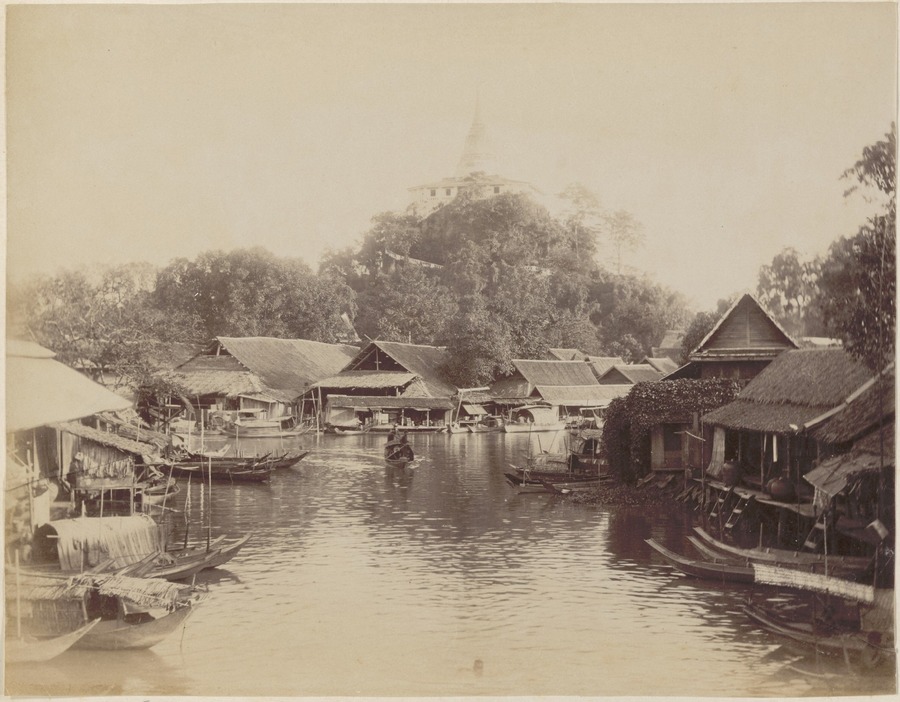
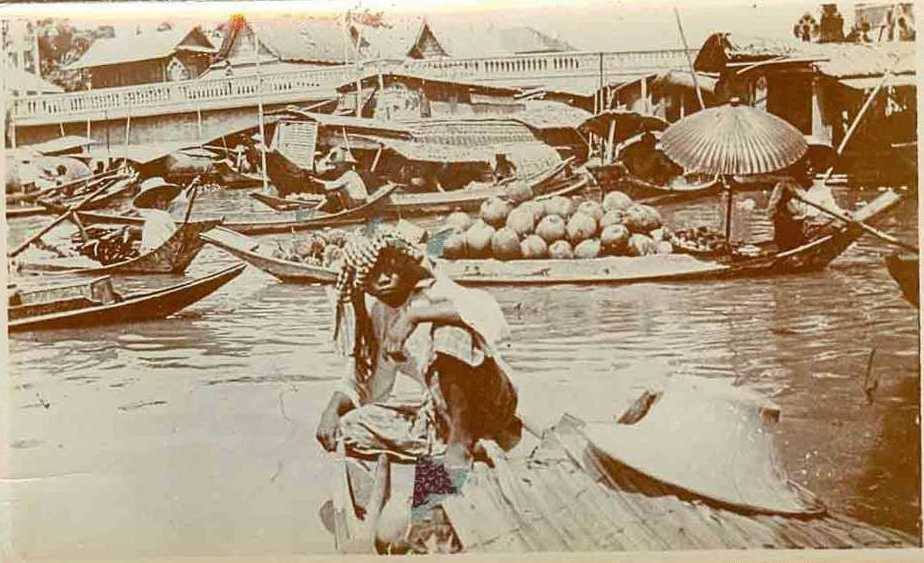
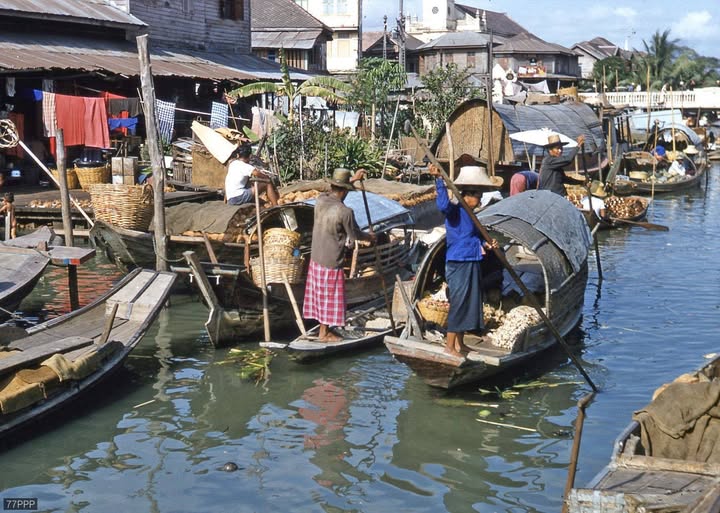
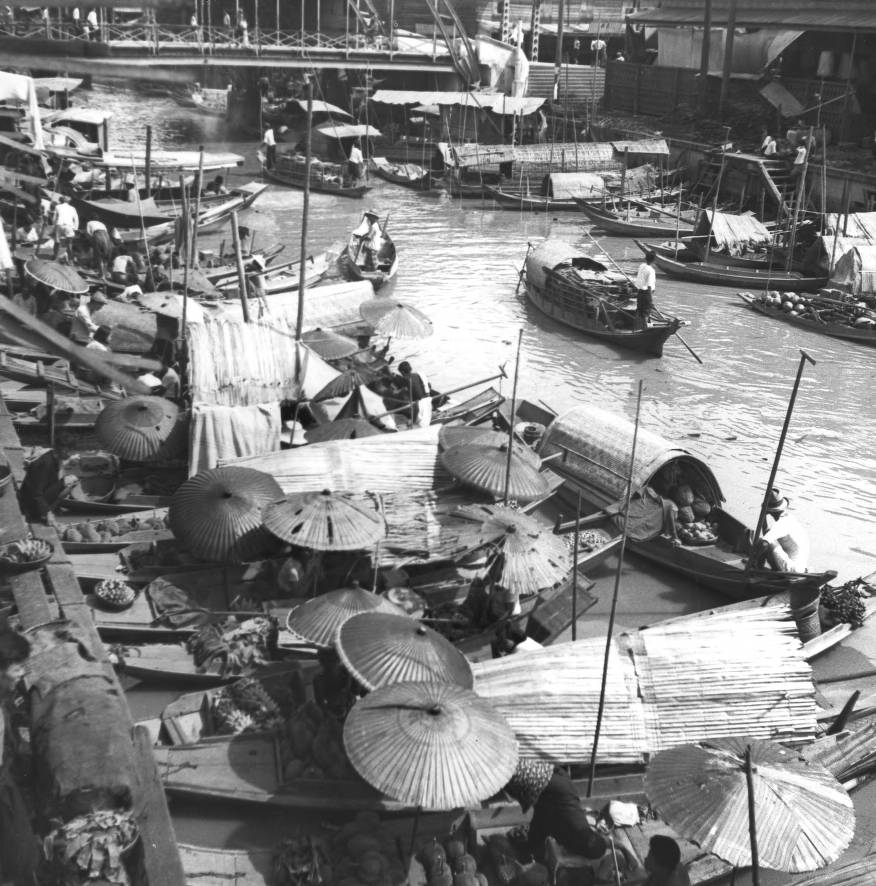
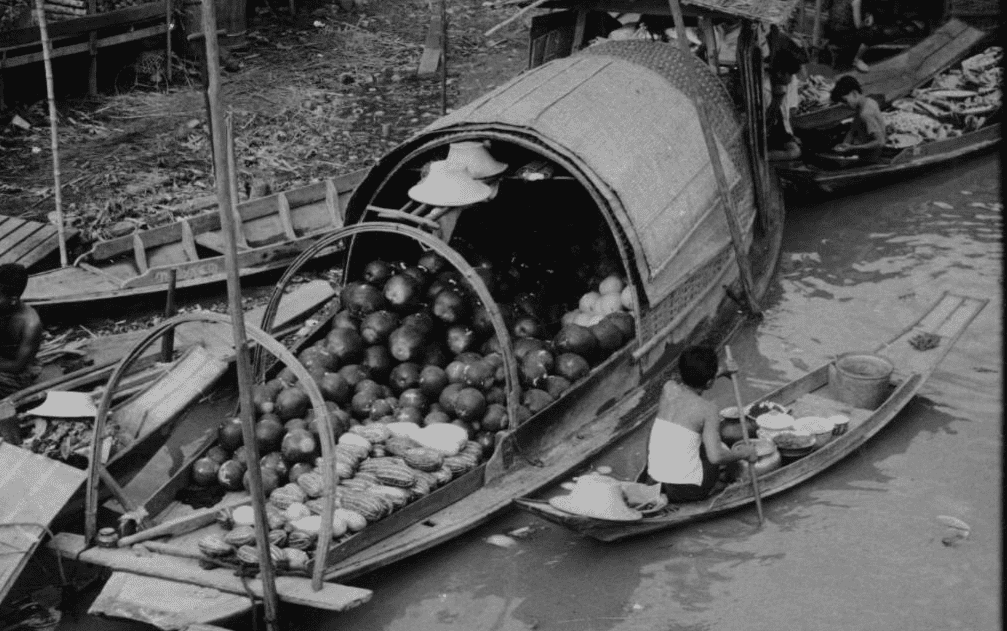
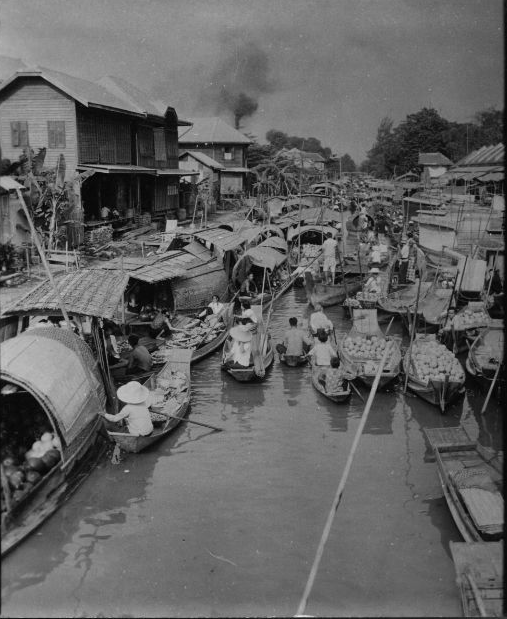
The name Khlong Mahanak was bestowed in reference to an earlier canal of the same name near Wat Phu Khao Thong in Ayutthaya. It is said to originate from Phra Mahanak, a monk who initiated the canal’s construction after the war with King Tabinshwehti. This practice of naming places echoes a broader tradition in Bangkok—one that sought to carry forward the legacy of the former capital, linking the new city to the memory and prosperity of Ayutthaya.
As the city grew, its canal network expanded alongside it. During the reign of King Rama III, Khlong Saen Saep was constructed as an extension of Khlong Mahanak, stretching eastward toward Bang Kapi and linking to the Bang Pakong River in Chachoengsao, serving as a vital route for troops and supplies during the Siam–Vietnamese wars. Later, under King Rama IV, Khlong Phadung Krung Kasem was dug as an outer defensive canal. The convergence of these waterways formed a key urban junction—now known as Mahanak Intersection.
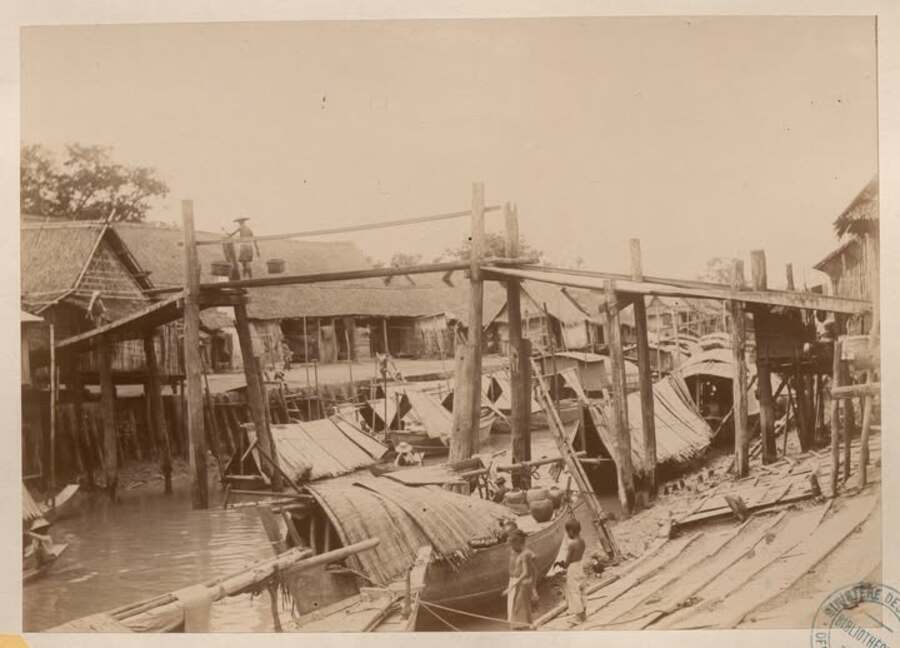
Mahanak grew in rhythm with its waterways. What were once open fields and orchards beyond the old city gradually gave way to homes and shops lining the canals, shaping a vibrant neighborhood. Over time, it became a place of cultural convergence—where diverse communities settled and rooted their lives. Among them were Malay Muslims from Pattani, relocated during the reign of King Rama I, bringing traditions of gold craftsmanship and deep Islamic knowledge. The community formed around Masjid Mahanak, which remains its spiritual center, alongside religious schools and one of the largest Muslim cemeteries in inner Bangkok.
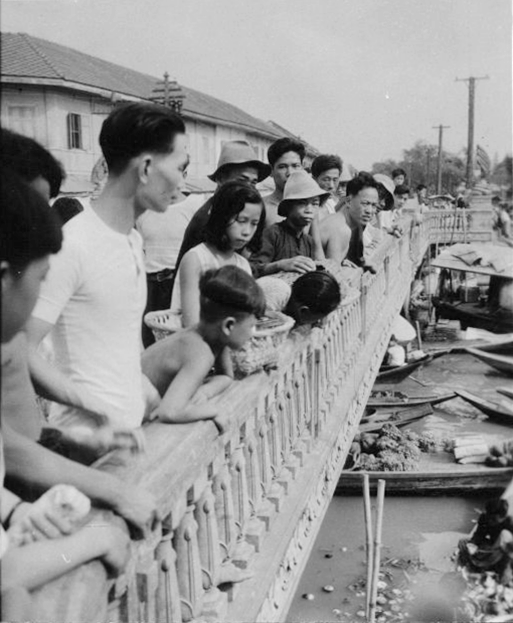
As Bangkok expanded, new roads and infrastructure began to shape the city. In 1911, during the reign of King Rama VI, Krung Kasem Road was constructed along Khlong Phadung Krung Kasem, strengthening connections across the growing capital. That same year, Charoenrat 32 Bridge was built over Khlong Mahanak as a public utility and to commemorate the king’s 32nd birthday. Constructed from reinforced concrete, the bridge features ornate balustrades and sculpted five-headed naga figures at its ends—serving not only as infrastructure, but also as a work of urban artistry.
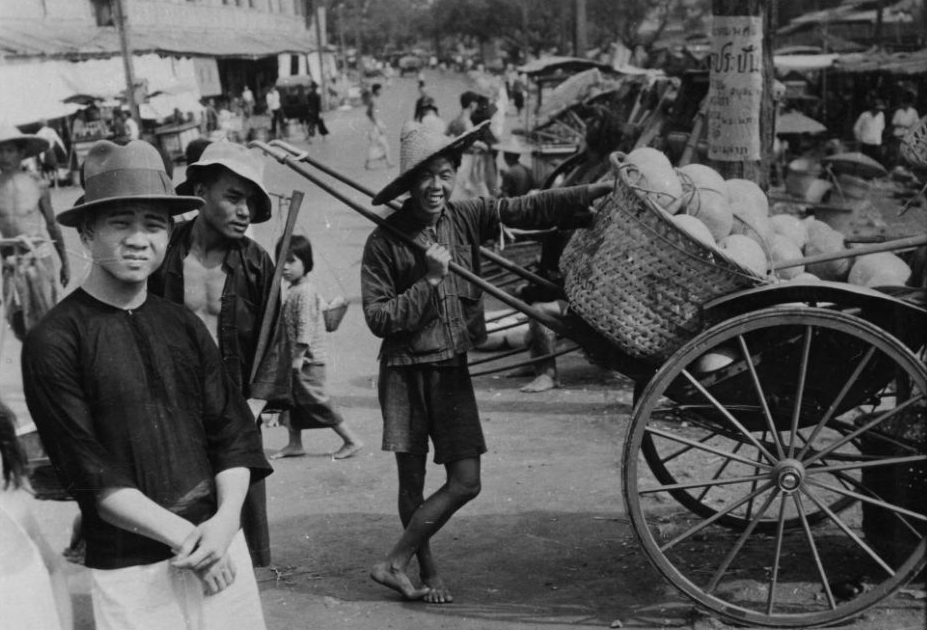
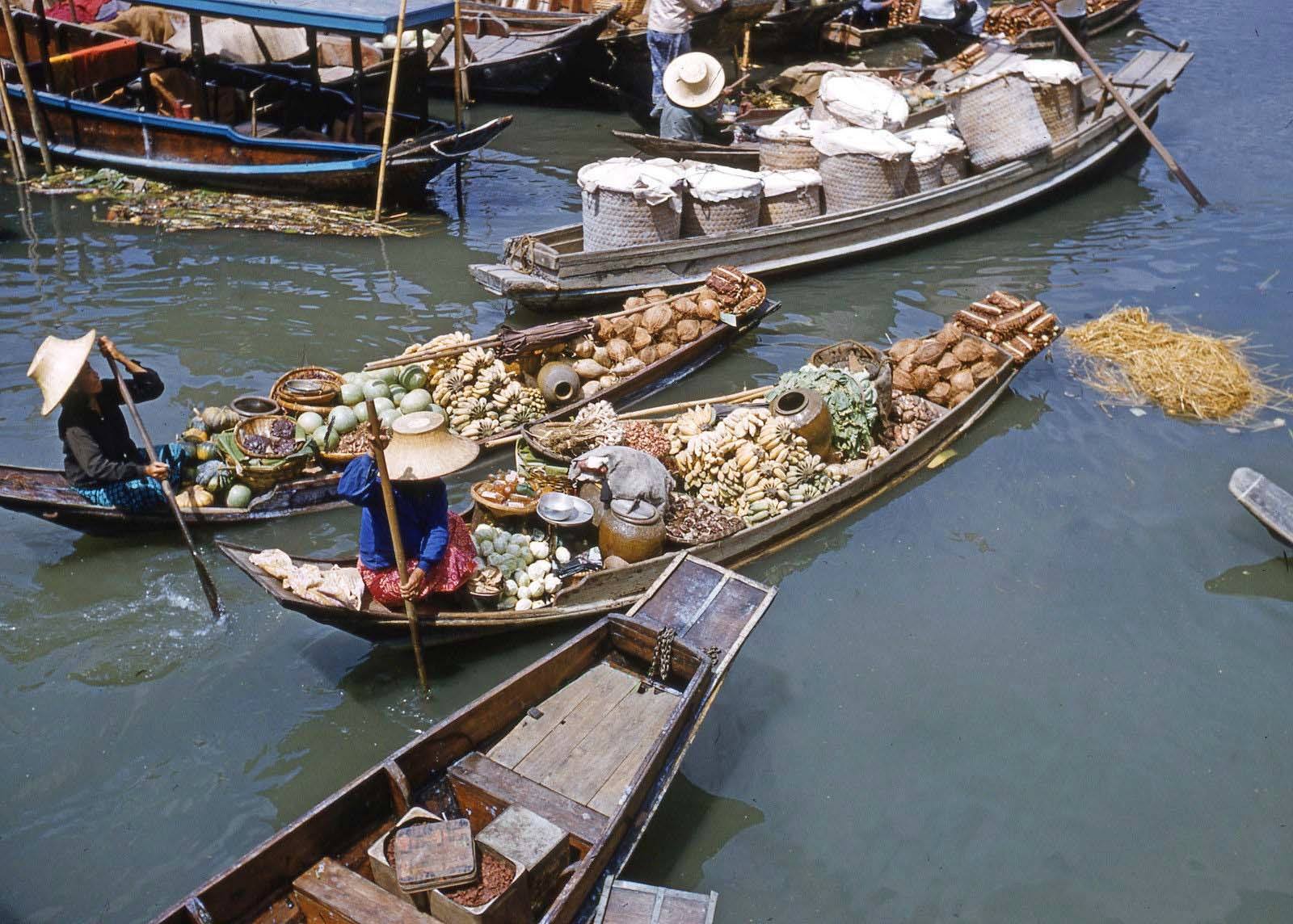
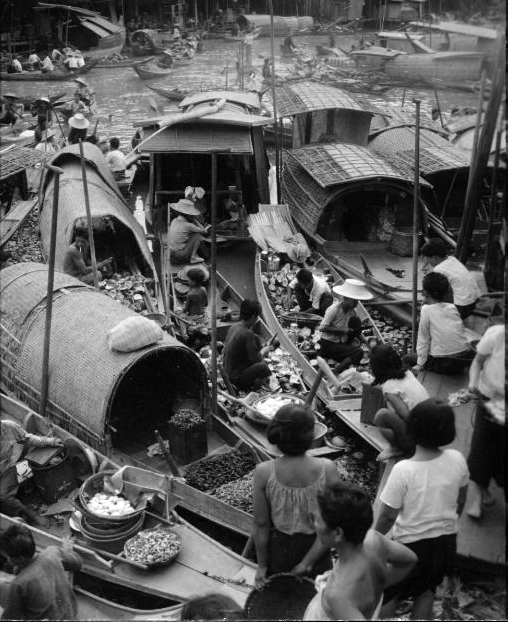
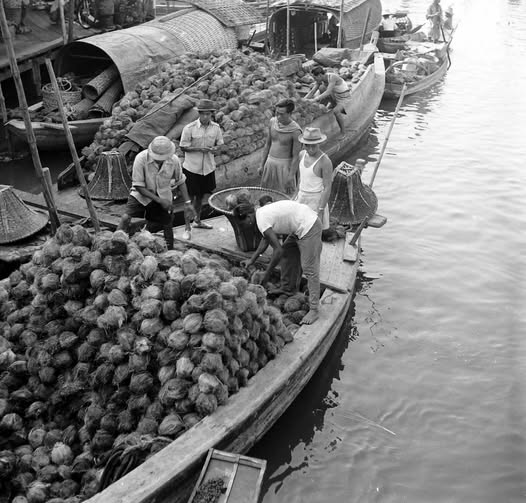
The construction of Lan Luang Road, linking Phan Fa Lilat to Yommarat and meeting Krung Kasem Road at Saphan Khao, drew Mahanak into the commercial core of Phra Nakhon. At the same time, Chinese communities expanded from Charoen Krung to Bamrung Mueang, enriching the area’s cultural fabric. Mahanak evolved into a multicultural district—where Muslim, Chinese, Thai, and Vietnamese communities lived side by side—and grew into a lively center of trade, from Mahanak Market, known for agricultural goods, to Bo Bae Market, one of Bangkok’s busiest wholesale hubs.
Between 1981 and 1997, Mahanak and Bo Bae reached their peak as Bangkok’s central trading hub—especially for wholesale ready-made clothing such as jeans. The area became one of the city’s most important economic centers. In 1992, Bo Bae Market expanded across Charoenrat Bridge into what is now Bo Bae Tower, a site that was once a fruit market behind Mahanak Market—reflecting the physical growth of trade at the height of its prosperity.
From the late 1980s onward, Mahanak and Bo Bae Market faced mounting pressures—tighter urban regulations, shifting commercial controls, and the rise of modern logistics and e-commerce. Traditional wholesale trade declined, and many businesses moved to the outskirts, leaving a more fragmented local economy. As activity waned, long-time residents gradually moved away, replaced by migrant and foreign workers, reshaping the community’s social fabric. Historic buildings became underused, some left vacant, and Mahanak slowly entered a quieter, more fragile phase—its once-vibrant rhythm softening into stillness.
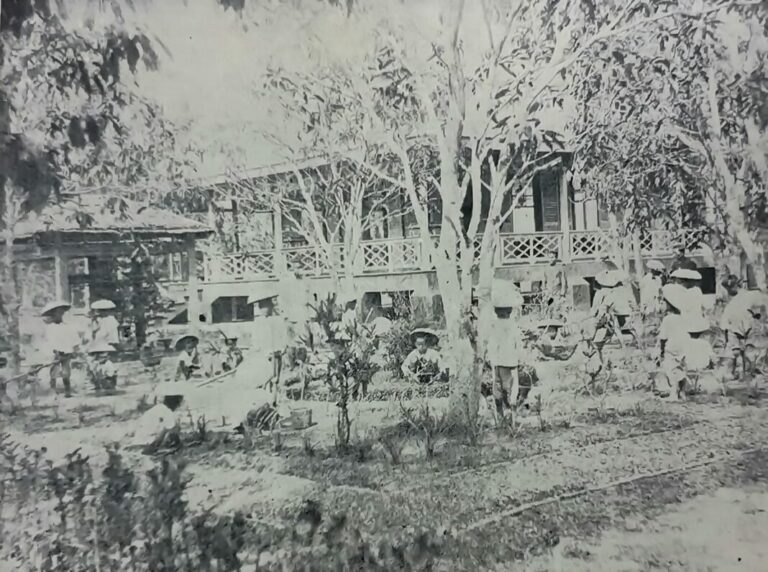
According to Tamnan Rong Liang Dek Khong Phra Akkharachaya Ther by Prince Damrong Rajanubhab, the present site of Asvin was once part of the kingdom’s first orphanage. The grounds extended from Bamrung Mueang Road to Khlong Mahanak, with today’s “Trok Rong Liang Dek” (Orphanage Lane) running through its center.
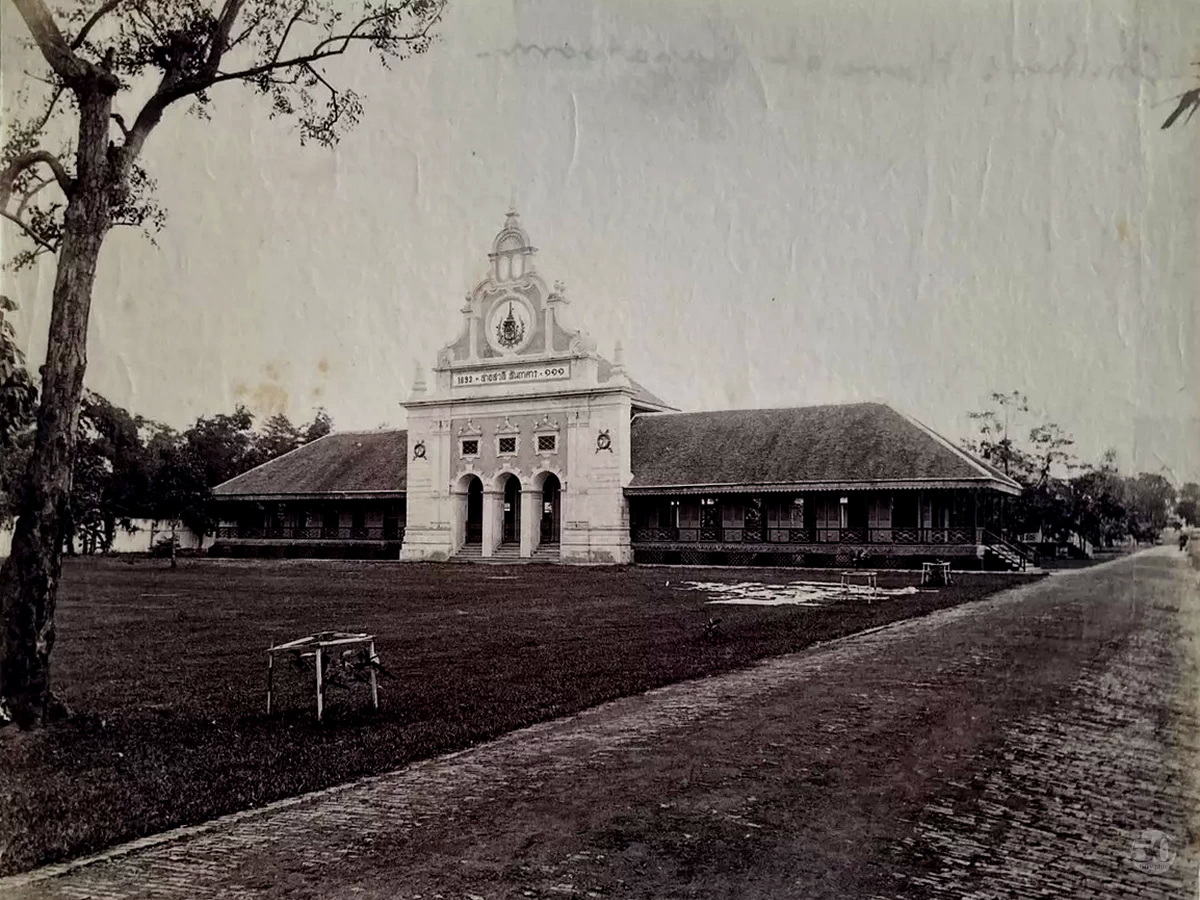
Founded in 1890 during the reign of King Rama V, the orphanage was established by Princess Saovabha Phongsri using her personal funds, following the loss of her daughter, Princess Nabhachara Chamrassri. At a time when care for orphans and the poor was still a new concept in Thai society, the institution became an early model of social welfare.
The orphanage cared for children from infancy to age 11 for girls and 13 for boys, providing shelter, food, education, and vocational training—free of charge—so they could one day live independently. At a time when formal curricula were still undefined, Prince Damrong Rajanubhab introduced a practical approach to learning: reading, writing, arithmetic, manners, cooking, sewing, swimming, farming, and animal care—skills grounded in everyday life. Each child was given a new name beginning with “Boon” (meaning merit), such as Boonja, Boonkhaeng, Boonsong, and Boonsuk. Many went on to become respected members of society.Though the orphanage buildings no longer remain, the name “Trok Rong Liang Dek” endures.